Morning Tea Culture: For Guangdong People, It’s Not Just Tea, It’s Life
Just as the first light of dawn breaks across the sky, lines begin forming outside the tea houses of Guangzhou.
Elderly patrons carry their birdcages, waiting to be seated. Middle-aged businessmen open their newspapers, settling into their usual spots. Young people hold their phones, capturing this moment that belongs uniquely to Guangdong. Nobody rushes. Here, time seems to slow its pace.
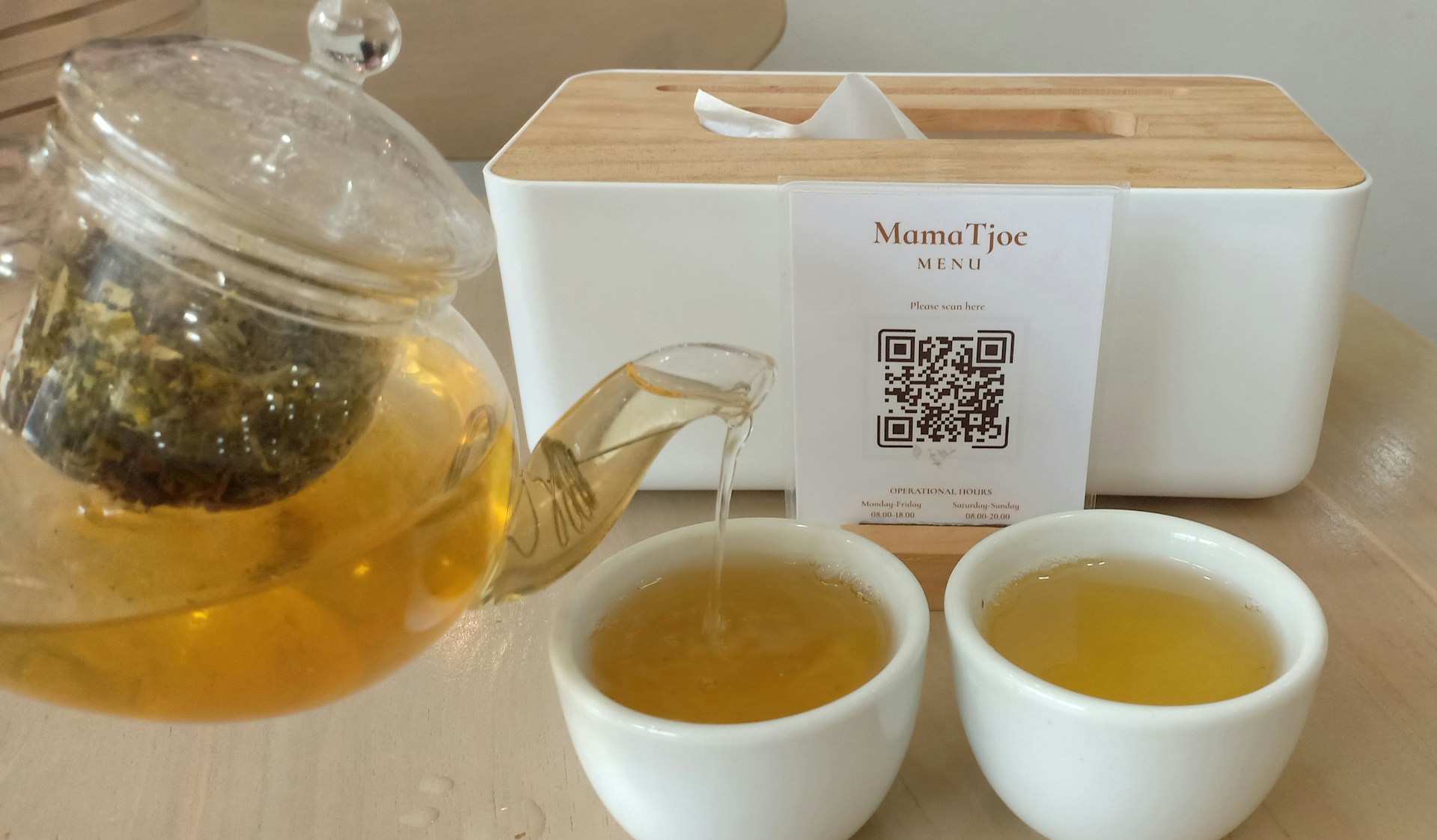
A pot of aged Pu’er tea is poured into the cup, steam rising gracefully. The wooden doors of the tea house creak open, and the warm, bustling sounds spill out from within.
This is morning tea. Not just a meal, but a way of life for the people of Guangdong.
The Origins of Tea: From Street Stalls to Three-Story Houses
The history of morning tea traces back to the Xianfeng era of the Qing Dynasty.
At that time, small establishments called “one-penny houses” appeared on the streets of Guangzhou. Small storefronts offered passersby a place to rest and drink tea. People would stand by the roadside, cup in hand, exchanging a few words about daily life before going their separate ways.
Later, some tea houses began offering simple dim sum. More and more tea houses with white rice porcelain signs opened their doors, and three-story buildings filled with patrons daily. By the Qing Dynasty, tea houses had become an essential part of urban life in Guangzhou.
During the Republican era, tea house culture reached its peak. Guangzhou once boasted over three hundred tea houses, each with its own signature dim sum. The elderly would say “let’s go drink tea” — a phrase that carried a sense of identity and belonging.
In 2022, the Cantonese tea-drinking custom was recognized as an Intangible Cultural Heritage of Guangdong Province. This tea was not about the taste of the leaves, but about centuries of tradition.
Table Manners: Gratitude at Your Fingertips
Stepping into a tea house, you first encounter a set of rituals.
The server approaches with an iron kettle, making a gesture before you. Tea leaves rest in the covered bowl as hot water releases their fragrance. This is the “tea master” — a specialist in the tea house, where every movement follows tradition.
When someone secretly helps pour your tea, they instinctively tap their fingers on the wooden table. This isn’t impolite; quite the opposite, it’s the “finger tapping gesture” — using touch instead of words to express thanks.
What to do when your tea runs out? No need to call out. Pinch the lid between your fingertips, lift it slightly, and place it beside the teapot. The owner sees this and naturally comes to refill your water. This gesture is called “revealing the lid for a refill” — a silent code at the Cantonese tea table.
Before you begin, there’s another ritual: using the first brew of tea water to wash your bowls and chopsticks. Hot water flows between the dishes and plates — not just for cleanliness, but as a ceremonial gesture. The people of Guangdong perform this sequence with practiced fluidity.
Silent yet expressive, this is the wisdom of Cantonese morning tea.
The Universe of Dim Sum: A World in Bamboo Steamers
With the tea poured, it’s time to order food.
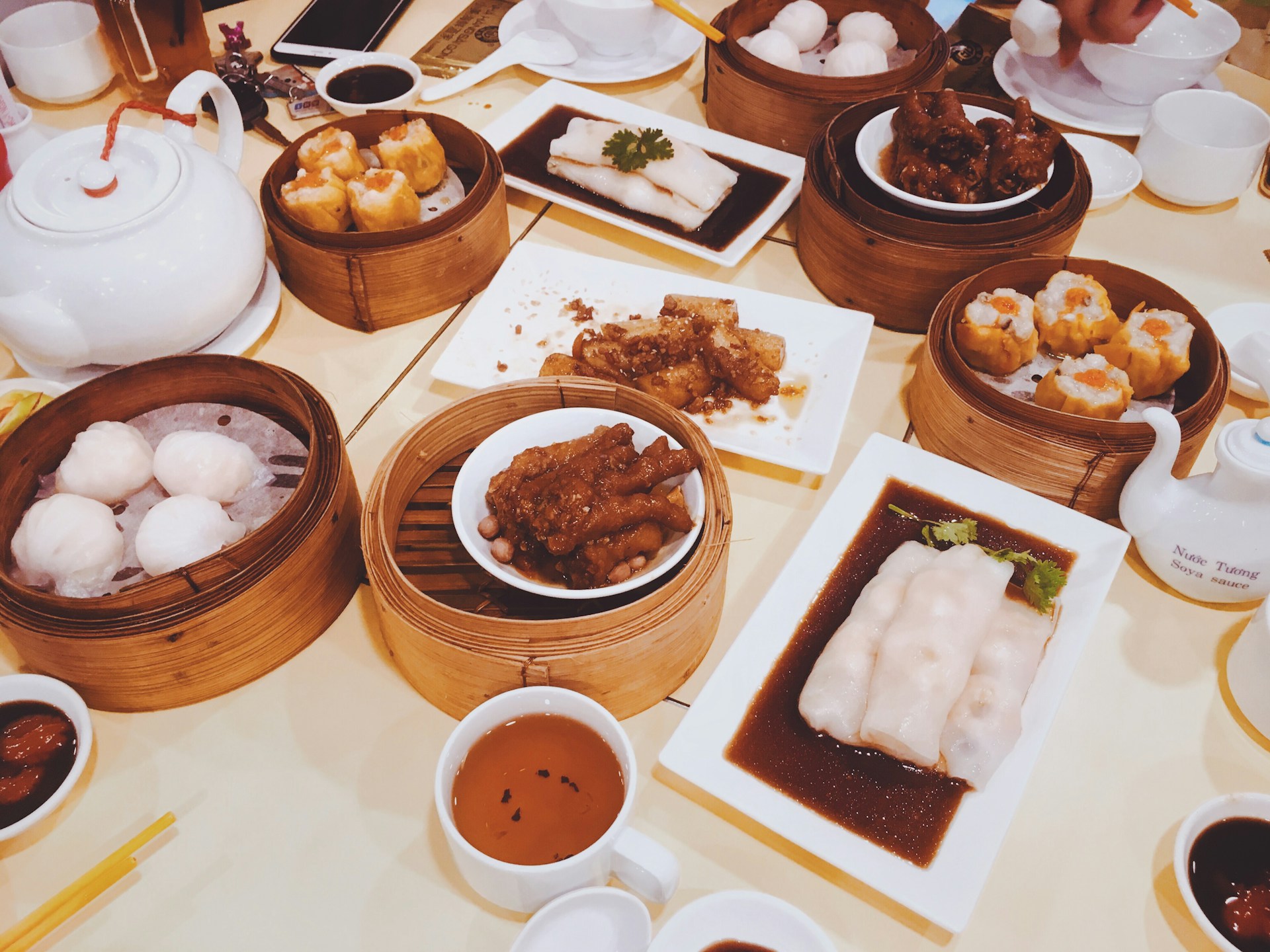
Cantonese people call dim sum “refreshments,” showing the high regard in which they hold these dishes. A cart rolls up to your table, and within the bamboo steamers lie all manner of delicacies.
Har gow (shrimp dumplings) must come first. The wheat starch skin is thin as a cicada’s wing, semi-transparently wrapped around whole fresh shrimp. One bite releases a burst of savory juice. Old masters wrap har gow with thirteen precise folds, each crease perfectly aligned.
Siu mai (pork dumplings) are another pillar. Pork and shrimp seasoned with soy sauce, slowly steamed over gentle heat. Golden on the outside, tender within. The texture should be layered: first the sweet and savory sauce, then the rich meat, finally a hint of fresh vegetable.
Phoenix talons (chicken feet) may intimidate outsiders, but they’re beloved by the Cantonese. The skin is stewed until soft, the tendon becomes gelatinous and crispy, and even the bones are cooked tender. To eat them requires “skill” — using the coordination of lips, teeth, and tongue to “knock” the meat from the bones.
There are also egg tarts, rice noodle rolls, fish congee, beef tripe congee… Each dim sum is a craft in itself. Masters at the old tea houses begin their apprenticeship in their teens, spending their lives with rice flour as their companion.
Today, new-style dim sum is also innovating. Trendy curry fish balls, black truffle mushroom buns, salted egg lava buns… Traditional and modern collide at the tea table. The people of Guangdong don’t reject novelty, but they never forget the old flavors.
The Social Code: Life’s Many Scenes at the Tea Table
The value of morning tea lies not entirely in the food.
Small and medium business owners in Guangzhou often conduct negotiations over tea. Discussing matters while drinking creates a less tense atmosphere, making deals easier to close. In these steaming tea houses, the sound of contracts being signed is not uncommon.
Weekend morning tea serves as an important ritual for family gatherings. Scenes of three generations sharing a table play out regularly in tea houses. Grandfathers place food in grandchildren’s bowls, daughters pour tea for their mothers, children play nearby. Such scenes convey the meaning of family better than any sermon.
Perhaps most interesting is the community of retirees. They arrive punctually each day, sitting in their regular spots, reading newspapers, chatting, playing chess. The tea house becomes their social club — a plate of dim sum and a cup of tea provide a full day’s engagement.
74-year-old Uncle Liu is a regular at Dian Dou De. “A day without tea feels like something’s missing,” he says. “I’ve been sitting here for twenty years, from black hair to white. The servers have changed many times, but the taste of this tea has never changed.”
The tea house is a mirror. It reflects the daily lives of Guangdong people and their attitude toward life.

Postscript: All Those Morning Teas We’ve Had
The name “morning tea” contains the word “morning.” But today, the time for tea is no longer limited to the morning.
Afternoon tea, evening tea, even late-night tea — tea houses stay open with lights burning bright. Guangzhou is a city that never sleeps, and its tea houses awaken along with it.
Young people embrace the “hustle culture,” and morning tea has become part of “Hong Kong-style culture.” Checking phones, discussing work, secretly keeping accounts — coffee has even made its way onto tea house menus.
Some say authentic morning tea is disappearing. But I believe that as long as the mindset of slowing down to drink tea remains, morning tea will never die.
It’s not a meal, but a way of life. A plate of dim sum, a pot of good tea — for the people of Guangdong, this is simply life.
Morning tea and dim sum, a pot and two plates.
Time slows down, days flow gently.
Perhaps, this is how life should be.