Explore the aesthetic world of Chinese art, from brush and ink to the opera stage
In kunqu's The Peony Pavilion a single word is sung for nearly half a minute. That slowness is shuimoqiang, the "water-ground tune" Wei Liangfu spent a decade behind closed doors refining in sixteenth-century Taicang. From the Tiger Hill singing contest and Tang Xianzu's studio, to the Flower-and-Elegance wars and the 1956 play that revived a dying genre, to Pai Hsien-yung's Youth Edition and moonlit garden performances — three keys for the uninitiated, and a living art you can buy a ticket to tonight.
A Tang dynasty qin still sings across twelve centuries. A musical notation system that never recorded rhythm endures for a millennium. From Boya smashing his strings to Ji Kang's execution-ground swan song, from the NASA Voyager Golden Record to Bilibili's guqin-playing youth — for three thousand years, the guqin has spoken the heaviest truths in the softest voice.
From oracle bone script to modern times, Chinese calligraphy has a history of over 3,000 years. This article takes you into the aesthetic world of calligraphy, exploring the five scripts, the Eight Principles of Yong, and the philosophical wisdom between the lines.
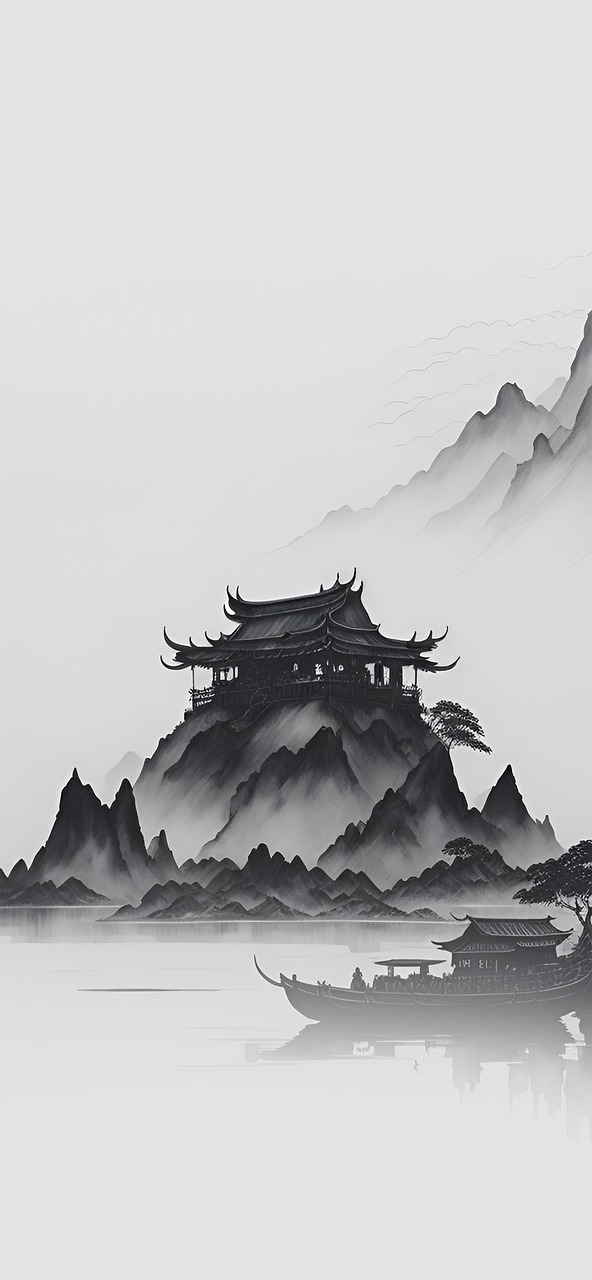
Liubai (negative space) in Chinese painting is not mere emptiness but a deliberately crafted 'virtual' space. Why is leaving blank space more sophisticated than filling the canvas? This article deeply analyzes this core wisdom of Eastern aesthetics.